

Exploring Generational Culture Differences: How Baby Boomers Have Shaped and Shaped By Society
In an age where diversity and inclusivity are often discussed in terms of ethnicity, gender, or sexuality, there’s another type of diversity that merits attention—generational diversity. Different generations bring varying experiences, values, and perspectives to the table. Today, let’s delve into Exploring Generational Culture Differences: How Baby Boomers have impacted our contemporary world and how they themselves have been influenced by broader societal changes.
Introduction
The Baby Boomer generation, born between 1946 and 1964, came into a world recovering from the turmoil of World War II. This period was marked by significant optimism, economic prosperity, and societal shifts. As a result, Boomers grew up during a time of innovation, expansion, and cultural revolution. Fast forward to today, and it’s clear that they remain a powerful demographic cohort. But what exactly defines the Baby Boomer generation culturally? How have they influenced the generations that followed? Let’s embark on a journey through their timeline to uncover these patterns.
The Core Characteristics of Baby Boomers
Work Ethic and Professionalism: Baby Boomers are often characterized by their strong work ethic. Many entered the workforce with the belief that long hours and loyalty to a single employer would lead to success and security. They value face-to-face communication and might consider formal dressing an essential part of professional life.
Value on Education and Self-Improvement: This generation was the first to witness the full value of higher education as a sure path to improved career prospects and personal development. The GI Bill, as well as increased accessibility to colleges and universities, played crucial roles in making this a reality for many Boomers.
Competitive Spirit: Growing up during times of economic prosperity instilled a competitive nature in Boomers. This competitiveness extends beyond the business world and into personal achievement in their communities and lifestyles.
Social Change and Activism: The 1960s and 70s, formative years for many Boomers, were rife with activism. From civil rights to the anti-war movements, Boomers were often at the forefront of political and social change, pushing forward with progressive ideals.
Technological Adaptations and Shifts
One might wonder how well the Baby Boomers have adapted to technology, given that they did not grow up with it from childhood. Interestingly, Boomers have shown a remarkable ability to engage with new technologies, even if their initial learning curve might be steeper than that of Millennials or Generation Z. Today, many Boomers are active users of smartphones, social media platforms, and various digital tools, which they use to connect with friends and family, manage health, and access information.
Inter-Generational Relationships
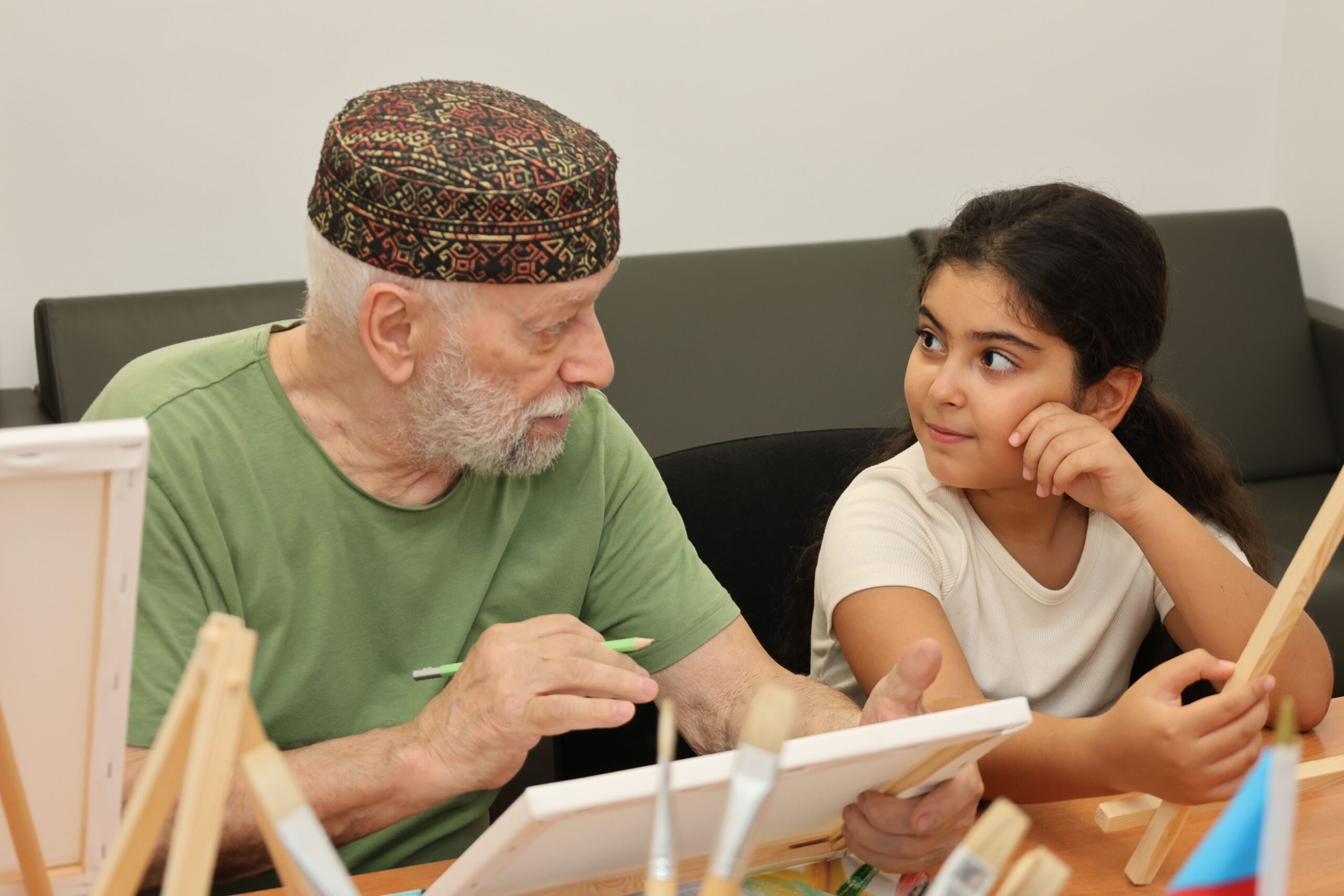
A crucial aspect of Exploring Generational Culture Differences: How Baby Boomers interact with other generations sheds light on contemporary social dynamics. Often perceived as more conservative, Boomers sometimes clash with younger generations, who advocate for rapid social reform and environmental concerns. However, Boomers have also served as mentors and role models, offering their wealth of experience in professional and personal capacities.
FAQ Section
Q1: How do Baby Boomers differ in their communication styles compared to younger generations?
A1: Baby Boomers prefer direct communication, often face-to-face or over the phone. In contrast, younger generations lean towards digital communication platforms like texting and messaging apps.
Q2: What role have Baby Boomers played in current environmental issues?
A2: While historically less focused on environmental activism, many Boomers have adapted their perspectives, becoming advocates for sustainable practices as the global conversation on environmental issues has evolved.
Q3: Are Baby Boomers still influential in politics and society?
A3: Absolutely! Many Boomers hold significant positions in politics, corporations, and societal structures. Their influence is evident in policy-making, economic trends, and cultural norms.
Conclusion
Exploring Generational Culture Differences: How Baby Boomers have shaped, and been shaped by, the world is a fascinating study of exchange and adaptation. This generation was born into a world of post-war reconstruction and has witnessed profound technological advances and societal shifts. As they move towards retirement, their lasting impact on workplace culture, socioeconomic structures, and cultural values continues to resonate across all generational lines.
By understanding these dynamics, we bridge the gap between diverse age groups, fostering a more inclusive and empathetic society where every generation’s contributions are valued and learned from. Let’s continue to dialogue and cross-generational collaboration to harness the strengths of each unique demographic cohort.