

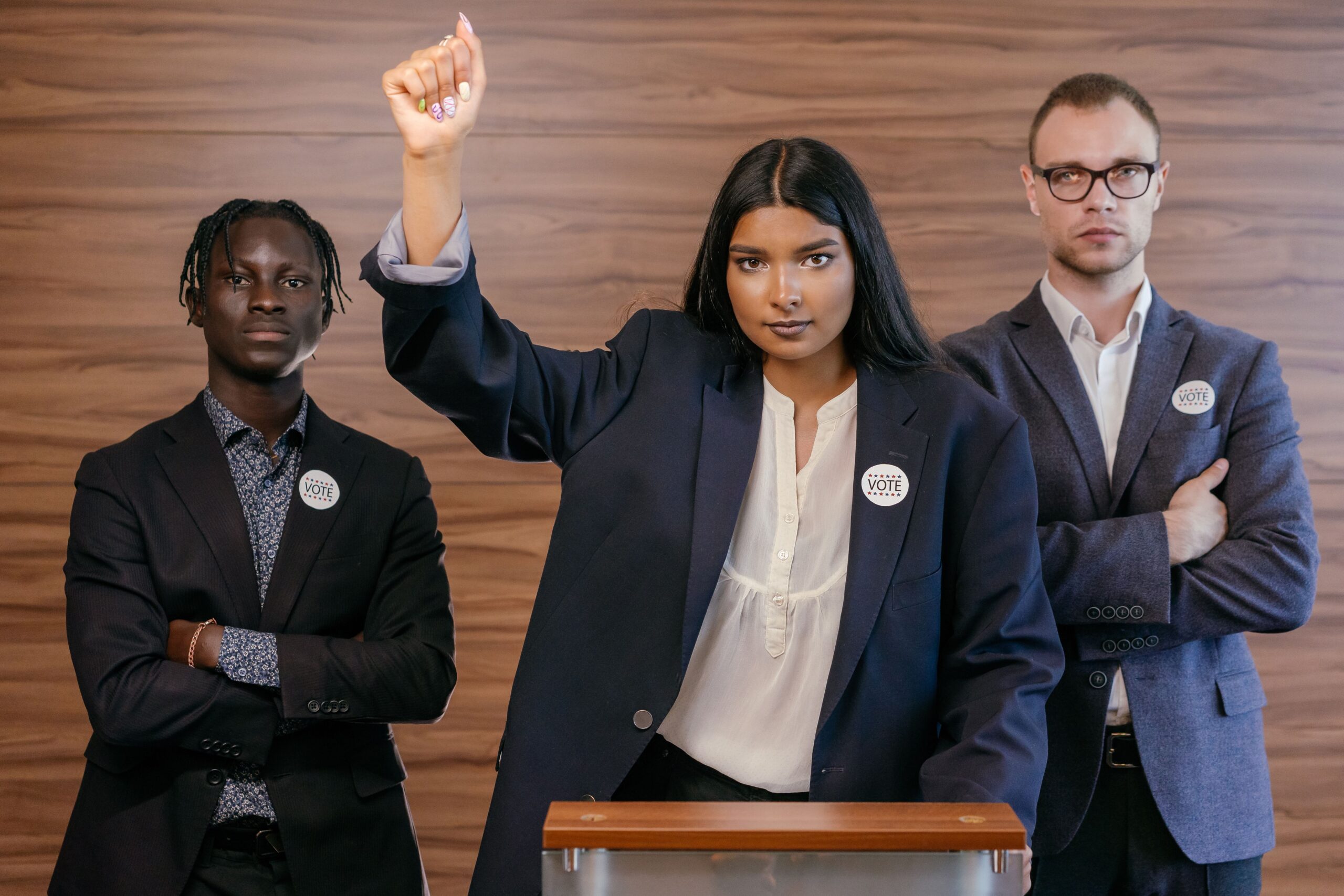
Analyzing Political Trends by Generation: How Each Age Group Shapes the Political Landscape
In the ever-evolving world of politics, each generation leaves its unique stamp, shaping the landscape in profound ways. Understanding these shifts is crucial, not just for politicians and analysts but for any engaged citizen trying to make sense of the currents that sway electoral outcomes and policy directions. As we delve into Analyzing Political Trends by Generation: How Each Age Group Shapes the Political Landscape, it becomes evident that the values, experiences, and historical context of each cohort play pivotal roles in their political inclinations and priorities.
Introduction
The political landscape is like a living, breathing organism, constantly changing and adapting to new ideas, challenges, and the voices of its people. Over the years, analysts have noted significant shifts in political trends, strongly correlated with generational changes. From Baby Boomers to Generation Z, each group brings its perspectives, priorities, and preferences to the table, often redefining the rules of the political game as they go.
This analysis aims to provide a clearer understanding of how different generations impact and shape political trends. By exploring these generational influences, we can gain insights into the future of politics and policy-making.
The Impact of Baby Boomers
Born in the post-World War II era, from 1946 to 1964, Baby Boomers have been a dominant force in shaping political trends for decades. This generation witnessed the civil rights movement, the Vietnam War, and the rise of television, experiences that created a collective sense of activism and skepticism toward government. Politically, Baby Boomers tend to value economic stability and are often seen as more conservative than younger generations. They have been pivotal in elections, often showing high voter turnout rates and a preference for traditional political structures.
Generation X: The Latchkey Kids Grow Up
Generation X, born between 1965 and 1980, grew up in a time of changing family dynamics and technological advancements. Known as the ‘latchkey’ generation, they value independence and are often skeptical of overt authority. Politically, Gen Xers are something of a middle ground, exhibiting qualities that are neither strongly conservative nor liberal. They prioritize issues like job security, healthcare, and education but tend to be more fiscally conservative than their younger counterparts. Their pragmatic approach to politics makes them an essential swing vote in many elections.
Millennials: The Digital Natives
The Millennials, born from 1981 to 1996, are the first truly digital generation, having grown up with the internet and social media. This has not only influenced their modes of communication but their political activism as well. Millennials tend to lean liberal, with a strong passion for social justice, climate change, and inclusion. They prefer grassroots movements and are skeptical of traditional political institutions, which they often view as corrupt or ineffective. As Millennials continue to age into the primary voting demographic, their impact on the political landscape is only expected to increase, pushing issues like environmental responsibility and equality to the forefront.
Generation Z: The Activists of the New Era
Generation Z, born from 1997 onward, is beginning to enter the political scene with fresh energies and perspectives. Known for their diversity and progressive attitudes, Gen Zers are highly informed and globally aware. They mobilize quickly, using digital platforms to influence and orchestrate large-scale movements, from gun control to climate change. Politically, they are expected to enhance the trends set by Millennials, advocating for transparency, inclusivity, and sustainability.
Analyzing Political Trends by Generation: FAQs
Q1: How do generational political trends affect election outcomes?
A1: Generational trends can significantly affect election outcomes by influencing party platforms, candidate selection, and policy focus. For instance, the high turnout of Baby Boomers can sway elections towards candidates who prioritize traditional economic policies, while influential Millennial and Gen Z blocs can tilt outcomes towards candidates with strong stances on social justice and climate action.
Q2: Can political trends within generations change over time?
A2: Absolutely. As individuals age, their priorities and worldviews can shift. Economic conditions, major global events, and cultural changes can also precipitate shifts within a generational cohort’s general political leanings.
Q3: How important is the understanding of generational trends in political campaigning?
A3: Very important. Campaigns that effectively address the unique concerns and communication styles of each generation can mobilize support more efficiently. Tailoring messages to resonate with specific generational values and priorities is crucial in garnering broad electoral support.
Conclusion
Analyzing Political Trends by Generation: How Each Age Group Shapes the Political Landscape reveals a dynamic and complex interplay of historical, cultural, and social factors. Each generation brings its ethos to the political arena, crafting a mosaic of beliefs and priorities that shape policies and leadership. For anyone engaged in or studying politics, understanding these generational influences is not just an academic exercise but a crucial tool for navigating the future of political discourse and decision-making. By respecting and recognizing the diverse priorities of each generational cohort, political leaders and campaigners can forge more inclusive and representative platforms that cater to the needs and aspirations of all citizens.