

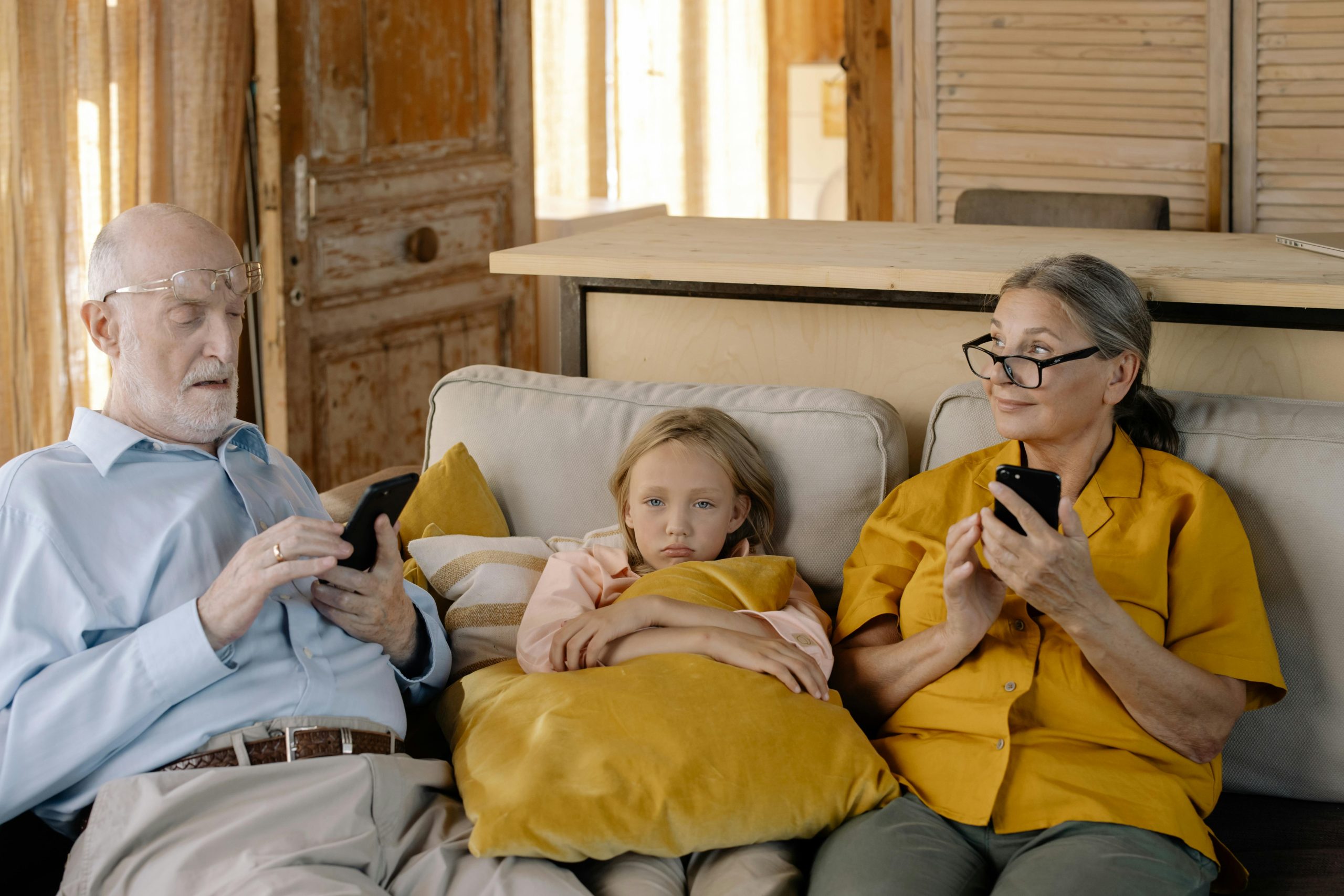
Understanding the Divide: Baby Boomers vs Millennials in the Workplace
In today’s multi-generational workplace, the dynamics between Baby Boomers and Millennials can sometimes resemble more of a collision of worlds than a smooth collaboration. Spanning decades of differing experiences, values, and technological advancements, Understanding the Divide: Baby Boomers vs Millennials in the Workplace has become essential for businesses aiming to harness the strengths of these varied age groups. How can we bridge the generational gaps to foster a thriving work environment? Let’s dive in.
The Baby Boomer Generation
Baby Boomers, born between 1946 and 1964, grew up in a post-war era characterized by prosperity and traditional notions of success. Known for their strong work ethic, they are often seen as dedicated, loyal employees who value stability and hard work. Boomers tend to appreciate hierarchical structures in a professional setting and might prefer face-to-face communication over digital interactions.
The Millennial Movement
Millennials, on the other hand, born between 1981 and 1996, are the digital natives. Unlike Boomers, they grew up in a tech-savvy world where information has always been at their fingertips. This generation values flexibility, work-life balance, and meaningful work over job security. They are often seen as innovative, but critics sometimes label them as needing constant affirmation and being less committed to long-term employment.
Key Workplace Differences
Communication Styles
Understanding the Divide: Baby Boomers vs Millennials in the Workplace plays out significantly in communication preferences. Baby Boomers generally prefer direct, personal communication, which aligns with traditional business practices. Phone calls and face-to-face meetings suit their communication habits. Conversely, Millennials lean towards quick, efficient communication modes like instant messaging or emails. Their day isn’t bogged down by long meetings; instead, they opt for brevity and speed.
Workplace Values and Ethics
Baby Boomers might view long hours as a sign of dedication and loyalty. For Millennials, however, long hours might not equal productivity; they focus on achieving targets or goals, regardless of how much time it takes. Moreover, Millennials often seek jobs that offer a higher purpose beyond financial success, which contrasts significantly with the Boomer’s climb-the-ladder approach.
Approach to Technology
There’s no denying the digital divide that underscores the Baby Boomers vs Millennials in the workplace. Boomers may prefer sticking with what works, sometimes shying away from new tech unless shown the clear benefits. Millennials, however, are not just comfortable with technology; they embrace it to make work more efficient and are always on the lookout for new tools to implement.
Bridging the Gap
Encourage Mentorship Programs
Mentorship can be a two-way street. Baby Boomers have vast experience and knowledge to pass down but can also learn from Millennials on areas like technology, social media, and current trends. Such cross-generational interactions can lead to greater understanding and respect.
Flexibility is Key
Incorporating flexibility into the work schedule can satisfy Millennials’ need for a better work-life balance while respecting Boomers’ appreciation for more structured environments. Flexible hours, work-from-home options, and respecting off-hours can contribute to job satisfaction across generations.
Foster an Inclusive Culture
Creating a work environment that champions both generational groups for their unique contributions can mitigate generational friction. Regular team-building activities designed to integrate various working and communication styles can cultivate an inclusive atmosphere.
FAQs
Q1: How can managers effectively handle conflicts between Baby Boomers and Millennials?
A1: Managers should strive to be mediators who recognize the root of such conflicts, often a misunderstanding of intent or values. Training on generational characteristics and creating opportunities for open dialogues can help clarify these misunderstandings.
Q2: Can Baby Boomers and Millennials work together effectively despite their differences?
A2: Absolutely. When organizations acknowledge and leverage these differences, they can complement each other’s strengths, leading to a more dynamic and versatile workforce.
Q3: What are some potential benefits of a mixed-generational workplace?
A3: A diverse age group brings varying perspectives, which can lead to innovative solutions and ideas, providing the company with a competitive edge in problem-solving and creativity.
Conclusion
Understanding the Divide: Baby Boomers vs Millennials in the Workplace isn’t just about noting differences but about building bridges. By fostering an environment that respects and integrates the strengths of each generation, companies not only enhance productivity but also contribute to more harmonious and innovative workplaces. In the end, irrespective of age, everyone seeks acknowledgment and purpose in their work, elements that transcend generational divides. Collaboration, not conflict, should be the future of the modern workplace, with businesses thriving on the collective strengths of their diverse workforce.