

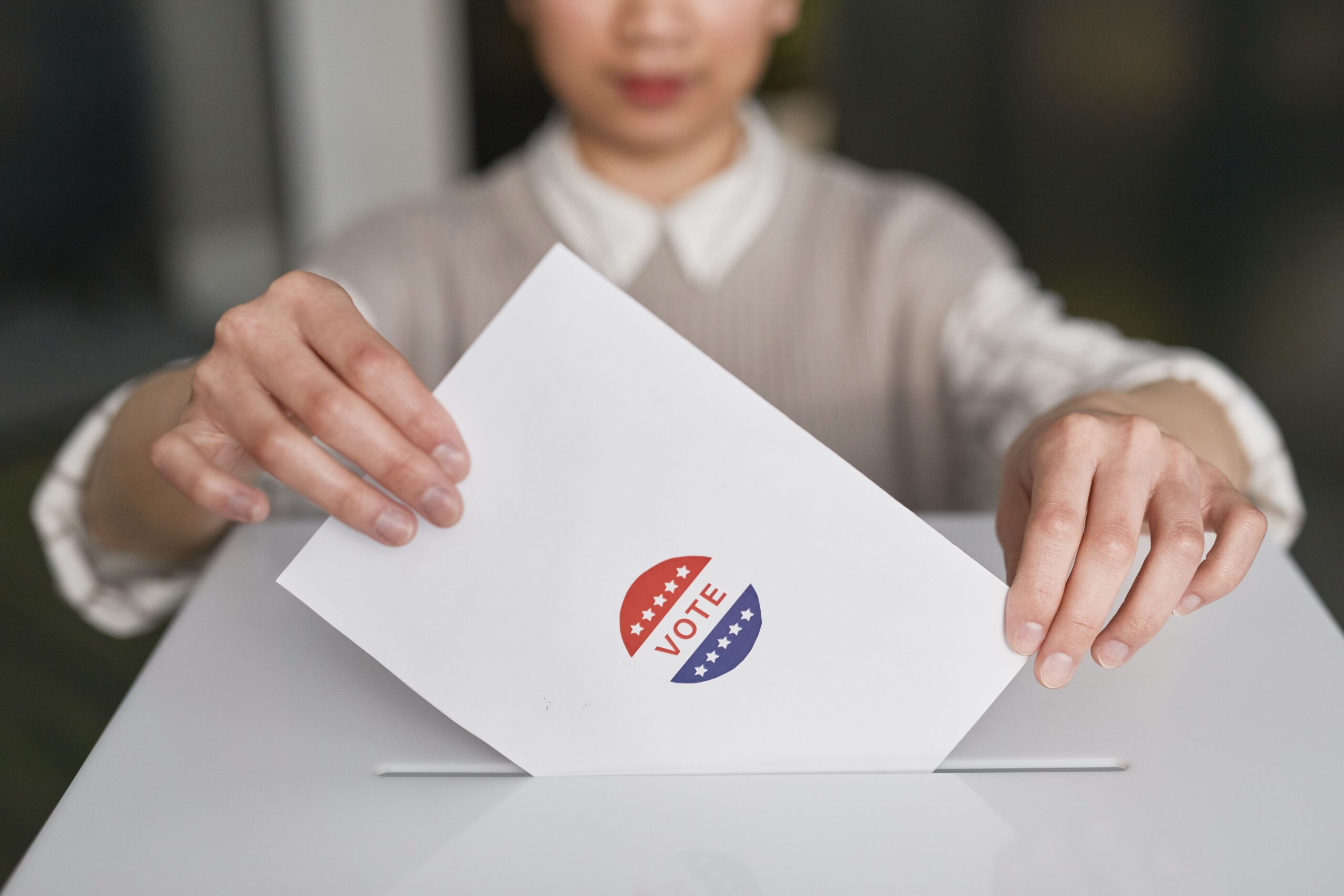
Analyzing Political Trends by Generation: Insights into Voter Behavior Across Ages
In today’s rapidly changing political landscape, understanding the nuances of voter behavior across different generations has never been more crucial. From Baby Boomers to Generation Z, each age group brings its own set of values, experiences, and expectations to the polling booth. Analyzing political trends by generation offers profound insights into how these diverse voters interact with the political sphere, shaping policies, and influencing election outcomes.
The Generational Divide in Voter Behavior
Baby Boomers and Traditionalists
Baby Boomers, born between 1946 and 1964, along with the older Traditionalists, have been pivotal in shaping political discourse for decades. They tend to have higher voter turnout rates, likely due to their stronger attachment to civic duty and more stable life circumstances. Characteristically, these voters may lean towards conservative policies, favoring economic strategies that protect their pensions and healthcare.
Generation X
Generation X, those born from 1965 to 1980, often portrayed as the ‘middle child’ in political discussions, shows a mix of the idealistic traits of their predecessors and the cynicism attributed to later generations. This group is known for its pragmatic approach to politics, focusing on issues that affect their immediate economic concerns—such as job security and mortgage rates—while also caring about social issues like environmental policies.
Millennials
The Millennials, born between 1981 and 1996, have come of age during a time of rapid technological change and economic fluctuation. This has instilled a sense of global awareness and a penchant for liberal attitudes toward social issues such as climate change, human rights, and social justice. Millennials are more likely to prioritize these concerns over more traditional political issues like tax cuts or government spending.
Generation Z
Finally, Generation Z, the latest group to enter the voter population, shows early signs of being highly engaged in political issues, with strong inclinations toward activism. Born from 1997 onwards, this generation has been raised in an era of information explosion, which has arguably made them more informed and critical thinkers. They tend to advocate for transformative changes in areas like climate action, social equality, and inclusive policies.
Key Trends Influencing Voter Behavior Across Generations
Economic Conditions
Economic stability profoundly influences voter behavior. Older generations might focus on policies that promise financial security, whereas younger voters often prioritize tackling income inequality and advocating for a more sustainable economic model.
Technology
The advent of digital technology has also reshaped political engagement. Younger generations are more likely to consume political content online and engage through social media platforms, which has significant implications for how politicians campaign and communicate their messages.
Social Values
There’s also a noticeable shift in social values across generations. Issues that were once considered progressive or controversial, such as marriage equality or cannabis legalization, are now widely accepted by younger voters but may still be contentious for older voters.
FAQs on Analyzing Political Trends by Generation: Insights into Voter Behavior Across Ages
-
Why is it important to analyze voter behavior by generation?
Analyzing voter behavior by generation helps in understanding the shifting priorities and values across age groups, which in turn can predict electoral outcomes and guide effective policy-making that reflects the diverse needs of the population. -
How do generational experiences influence political views?
Generational experiences, such as economic recessions, technological advancements, and significant political events, deeply shape political views by impacting personal values, job prospects, and worldviews. -
Can political trends by generation predict future electoral outcomes?
While they can’t predict outcomes with certainty, analyzing these trends can offer valuable insights into shifting voter dynamics and highlight potential shifts in party dominance or policy focus. -
How should politicians address the needs of different generations?
Politicians need to craft multifaceted policy proposals that address cross-generational concerns while also catering to specific needs highlighted by generational trends, such as healthcare for older voters or climate policies for younger voters.
Conclusion
Analyzing political trends by generation: Insights into Voter Behavior Across Ages illustrates that the political fabric of society is a complex tapestry woven from varied generational strands. Each generation carries its legacy of historical milestones that shape its political outlook and voting patterns. As we look towards future elections, understanding these subtleties not only helps predict electoral outcomes but also empowers policymakers to craft legislation that is responsive to the evolving needs of a diverse electorate. Keeping a finger on the pulse of generational trends is not just about forecasting politics; it’s about engaging in a deeper, more meaningful dialogue with the very people who uphold the democratic fabric of our nations.