

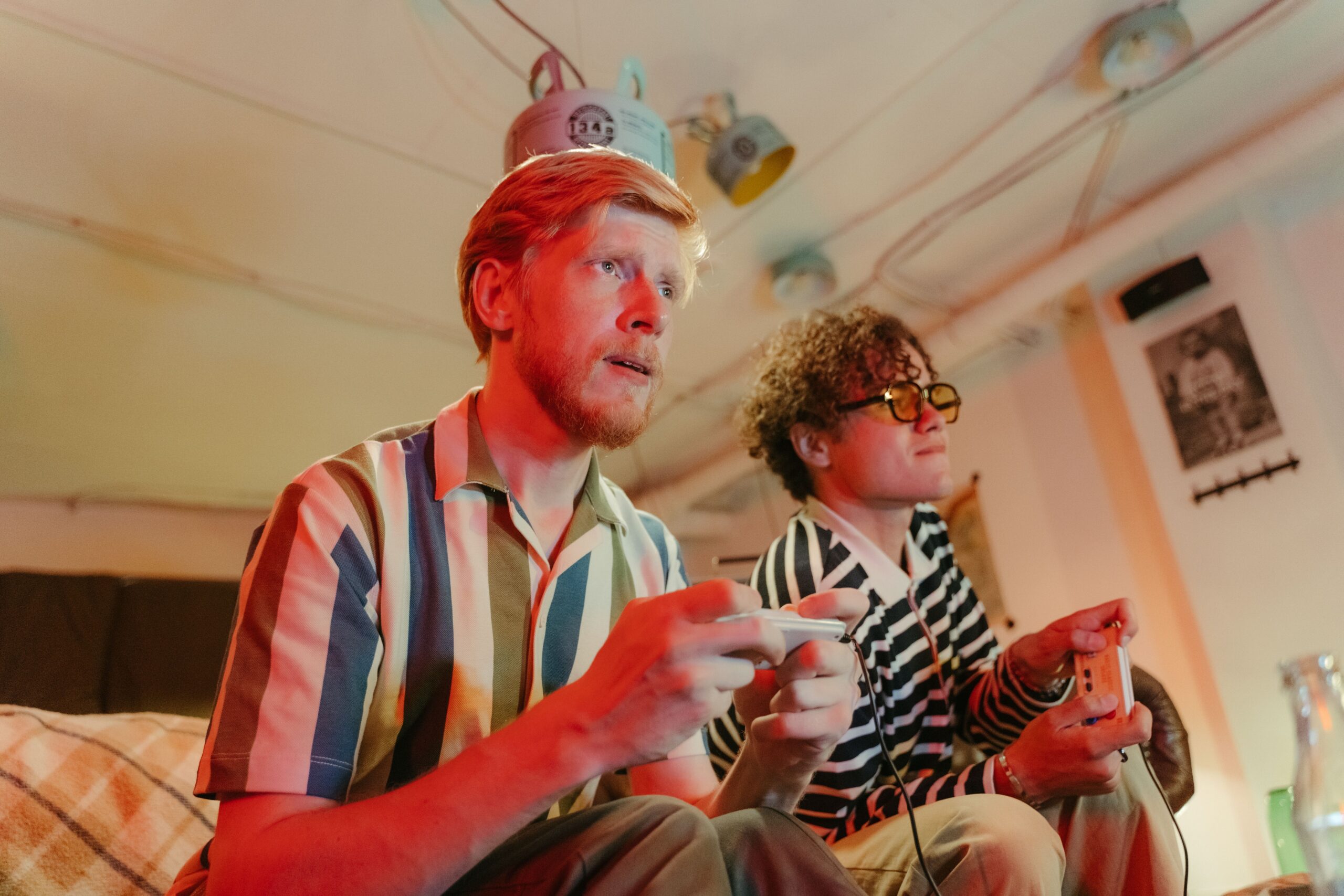
Exploring Generational Trends in Gaming: How Different Ages Play and Perceive Video Games
Introduction
Gaming has transcended its traditional boundaries to become a universal language of entertainment and engagement, touched by people of all ages across the globe. But have you ever wondered how your gaming experience stacks up against that of your parents or even your children? In this article, we dive deep into exploring generational trends in gaming, focusing on how different ages play and perceive video games. This exploration not only reveals distinct preferences and behaviors but also casts light on the evolving landscape of gaming culture through the generations.
The Baby Boomers: Nostalgia and Simplicity
While video gaming might seem like a pastime dominated by the younger generations, Baby Boomers (born between 1946-1964) have their fair share of gaming history. This generation witnessed the birth of video gaming in the late 1970s and early 1980s with titles like ‘Pong’ and ‘Space Invaders’, which were simplistic yet groundbreaking. Today, many boomers tend to gravitate towards nostalgic games that remind them of their youth. Casual games, especially puzzles and card games, are quite popular among this cohort, offering simple fun without the necessity to master complex controls or storylines.
Generation X: Bridging Old and New
Generation X (born between 1965-1980) had the best of both worlds—arcade games and the rise of consoles like the Nintendo Entertainment System (NES) and Sega Genesis. This generation has witnessed the transition from simple pixel graphics to more sophisticated 3D environments and story-driven gameplay. They appreciate a mix of retro games from their childhood and modern games that offer a more complex and engaging gaming experience. Many Gen Xers are now parents themselves and often share their love for gaming with their children, creating a unique bridge between past and contemporary gaming cultures.
Millennials: The Rise of Online Gaming
Millennials (born between 1981-1996) are the true digital natives who grew up during the internet revolution. This generation has seen the exponential growth of online gaming, MMO RPGs (Massively Multiplayer Online Role-Playing Games), and the beginning of mobile gaming. Games like ‘World of Warcraft’ and ‘League of Legends’ marked a significant phase in gaming for this generation, emphasizing online community and competition. Millennials are characteristic of their preference for games that offer both a social element and a platform for skill development and competition.
Generation Z: Mobile and Social Gaming
Generation Z (born between 1997-2012) never knew a world without smartphones. For them, mobile gaming is not just a casual pastime but a significant part of their social lives. Games like ‘Fortnite’ and ‘Among Us’ became popular not just for their gameplay but as social platforms where Gen Zers can hang out with friends. They lean towards games that offer quick satisfaction and are playable on-the-go, aligning perfectly with their fast-paced and mobile-first lifestyle.
The Alphas: VR and Beyond
The Alpha generation (born from 2013 onwards) might still be too young to create definitive gaming trends, but they are poised to be the most tech-savvy. Raised with tablets in their hands, they are expected to lean towards immersive gaming experiences like virtual reality (VR) and augmented reality (AR). It is anticipated that as technology advances, this generation will redefine gaming again, blending physical and digital realities more seamlessly than ever before.
FAQs
Q: How has the perception of video gaming changed across generations?
A: Earlier generations viewed video games as simple, casual entertainment. Over time, however, gaming has gained complexity and legitimacy, now seen as a platform for competitive sports (esports) and substantial narrative experiences, influencing family bonding, social interactions, and professional opportunities.
Q: Which generation spends the most time gaming?
A: Surprisingly, it’s not just younger generations who are glued to their screens. Studies suggest significant gaming time across all age groups, with Generation X and Millennials spending considerable time leveraging gaming as a way to unwind and connect with others.
Q: What impact does gaming have on family relationships?
A: Gaming can greatly influence family dynamics, often strengthening bonds through shared interests. Multi-generational gaming, where children play with parents or even grandparents, can enhance communication and understanding across ages, making it a beneficial activity beyond mere entertainment.
Conclusion
Exploring generational trends in gaming reveals a fascinating evolution not only of the games themselves but also of the social and cultural contexts within which they are played. From Baby Boomers rekindling their youth with classic games to Generation Z leading the charge in mobile and social gaming, each age group brings its unique perspective and preferences to the vast world of video games. As we continue to explore how different ages play and perceive video games, it’s clear that gaming is a powerful force in shaping and reflecting our cultural realities. The future of gaming holds amazing potential, not just in technological advancements but also in its capacity to unite generations under the banner of interactive entertainment and shared experiences.