

Exploring Fitness Habits of Millennials: Trends That Shape a Generation
In today’s fast-paced world, staying fit and healthy has become a mantra for living well, particularly for Millennials, who are tirelessly redefining wellness standards. Unlike previous generations, Millennials are turning the fitness industry on its head, introducing new trends and habits that align with their dynamic lifestyles and tech-savvy nature. From boutique fitness studios to virtual training sessions, exploring fitness habits of Millennials reveals a fascinating evolution in how this generation approaches health and wellness.
The Millennial Mindset on Fitness: More Than Just Exercise
For Millennials, fitness is not merely about physical activity; it’s a holistic approach to wellness that includes mental health, diet, and a balanced lifestyle. This generation places a premium on workouts that not only sculpt the body but also clear the mind and relieve stress. It’s not uncommon to see a Millennial discussing the benefits of yoga and mindfulness meditation as fervently as they talk about high-intensity interval training (HIIT) or spin classes.
Key Trends in Millennial Fitness Habits
- Wearable Technology: One of the most significant trends among Millennials is the use of wearable technology. Fitness trackers, smartwatches, and heart rate monitors have become ubiquitous. These devices help Millennials stay informed about their health metrics like heart rate, calories burned, sleep patterns, and overall activity levels, keeping them more accountable and motivated.
- Group Fitness Classes: Exploring fitness habits of Millennials, one can see a heavy inclination towards group fitness classes. Activities like CrossFit, Zumba, Pilates, and boot camps are popular as they offer a sense of community and camaraderie that Millennials crave. These settings provide an energized atmosphere that’s hard to replicate in solo workouts.
- HIIT Workouts: High-Intensity Interval Training (HIIT) has captured the attention of Millennials due to its efficiency and effectiveness. In a world where time is always of the essence, HIIT provides a perfect solution by packing intense bursts of activity followed by short recovery periods, maximizing results in minimal time.
- Eco-Conscious Choices: More than any previous generation, Millennials tend to opt for eco-friendly alternatives in all facets of their life, including fitness. This includes supporting sustainable fitness wear brands, choosing eco-friendly equipment, and even engaging in outdoor activities like hiking and paddleboarding that have minimal environmental impact.
- Digital Fitness Solutions: With the digital revolution, online fitness programs and virtual training have seen a massive uptick among Millennials. Platforms like Peloton, Mirror, and Zwift meld the convenience of home workouts with the expertise of top-notch instructors, making fitness more accessible and adaptable to a variety of lifestyles.
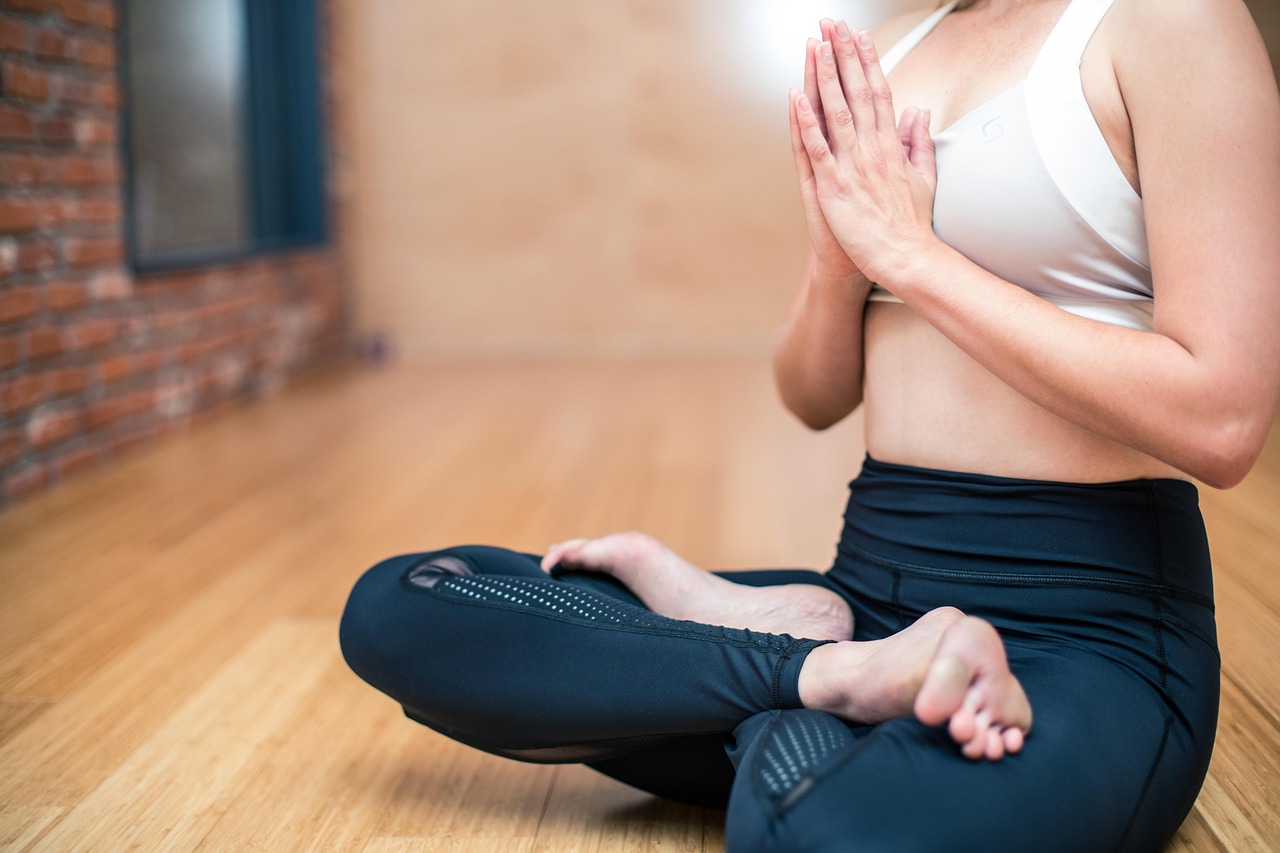
- Mindfulness and Mental Health: Reflecting a broader trend in Millennial behavior, there’s a robust focus on the interconnectivity between mental and physical health. Yoga and Pilates are more popular than ever, aiding in mental well-being as much as they help in physical fitness.
- Personalized Nutrition: Millennials are also turning to diet and nutrition technologies to personalize their food intake based on their health needs and fitness goals. Apps that track nutrition, offer healthy recipes, and even provide customized diet plans are particularly popular, integrating seamlessly into their tech-empowered lives.
FAQs About Exploring Fitness Habits of Millennials
Q1: Why do Millennials prefer group fitness classes?
A1: Group fitness classes offer a sense of community and accountability, which are highly valued by Millennials. These classes also provide structured workouts that are both fun and challenging, making them a preferable choice.
Q2: How do wearable technologies influence Millennial fitness habits?
A2: Wearable technologies provide real-time data that Millennials use to track their progress, set goals, and stay motivated. They also add an element of gamification to fitness, which is appealing to this generation.
Q3: Are digital fitness solutions replacing traditional gyms among Millennials?
A3: While not completely replacing traditional gyms, digital fitness solutions provide a flexible alternative that fits the Millennial lifestyle, which often values convenience and personalization.
Q4: How important is the integration of mental health into Millennial fitness routines?
A4: Extremely important. Millennials are increasingly aware of the mental health benefits of regular physical activity and seek out exercises that contribute positively to their mental well-being.
Conclusion: A Generation That Moves Differently
Exploring fitness habits of Millennials illuminates this generation’s innovative approach to health and wellness. Through the incorporation of technology, a focus on mental health, and a commitment to sustainable living, Millennials are not just following trends, they are creating them. As we watch this generation continue to push the boundaries, one thing is clear: the future of fitness is not just about being the best; it’s about being the best you, in the most balanced and sustainable way possible. As we explore these evolving trends, we can all find elements that resonate, perhaps integrating a bit of Millennial mindset into our own fitness endeavors.